
Winter Camping Guide
With low temperatures and darker nights, camping is no longer at the forefront of everyone’s minds. However, winter camping can offer some incredible experiences that summer camping just can’t offer when done correctly during the colder months. Exploring the great outdoors during the winter period requires preparation, the correct gear and a good knowledge base to ensure a safe and enjoyable experience . In our winter camping guide, we’ll cover everything you need to know to make the most of your winter camping trips.
SHOP ALL CAMPING
Gear Checklist
Tent
-
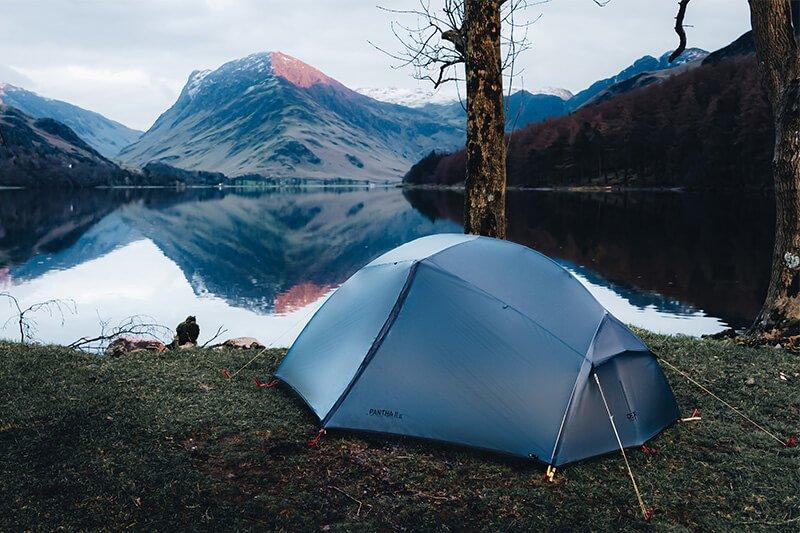
Opting for a waterproof tent will help you stay warm and safe during the harsh winter conditions. Opting for a tent with a Hydrostatic Head rating (HH) of 2000mm or higher will endure heavy rain and strong winds, but the groundsheet of the tent should be around 3000mm or higher because of the pressure of your belongings and yourself pressing down on the groundsheet
-
Using a Footprint will not only help to protect your tent from hidden hazards on the ground but will also create an extra insulating barrier between the cold ground and the tent floor.
-
Ensure your tent has good ventilation to prevent condensation build up on the inside of the tent, the last thing you want is to be woken up by condensation droplets during your winter camp!
Sleeping bag
-
A four-season sleeping bag will help provide warmth on the coldest of nights. They typically come with a comfort level of below 0°C and can withstand some extreme conditions.
-
You can choose from a down sleeping bag or a synthetic sleeping bag. Down sleeping bags are often lighter, warmer and can be packed away more compactly compared to synthetic sleeping bags. However, down sleeping bags perform worse when exposed to water or moist air, with synthetic sleeping bags retaining their loft when wet and can dry quicker than down. If price is your sticking point, synthetic sleeping bags are a great option for remaining within your budget.
-
For extra warmth, a sleeping bag liner could be a great addition to your pack.
Sleeping Mat
In winter, the cold ground can zap the warmth out of you, making for an incredibly cold night’s sleep . It’s important you pick the right sleeping mat, not just for a comfortable night sleep, but to keep you warm too. Sleeping mats typically come with an R-value rating, which measures its ability to resist heat flow and insulate you from the cold ground. For winter camping, you’ll want a sleeping mat with an R-value between 4.0-5.0.
SHOP ALL SLEEPING MATS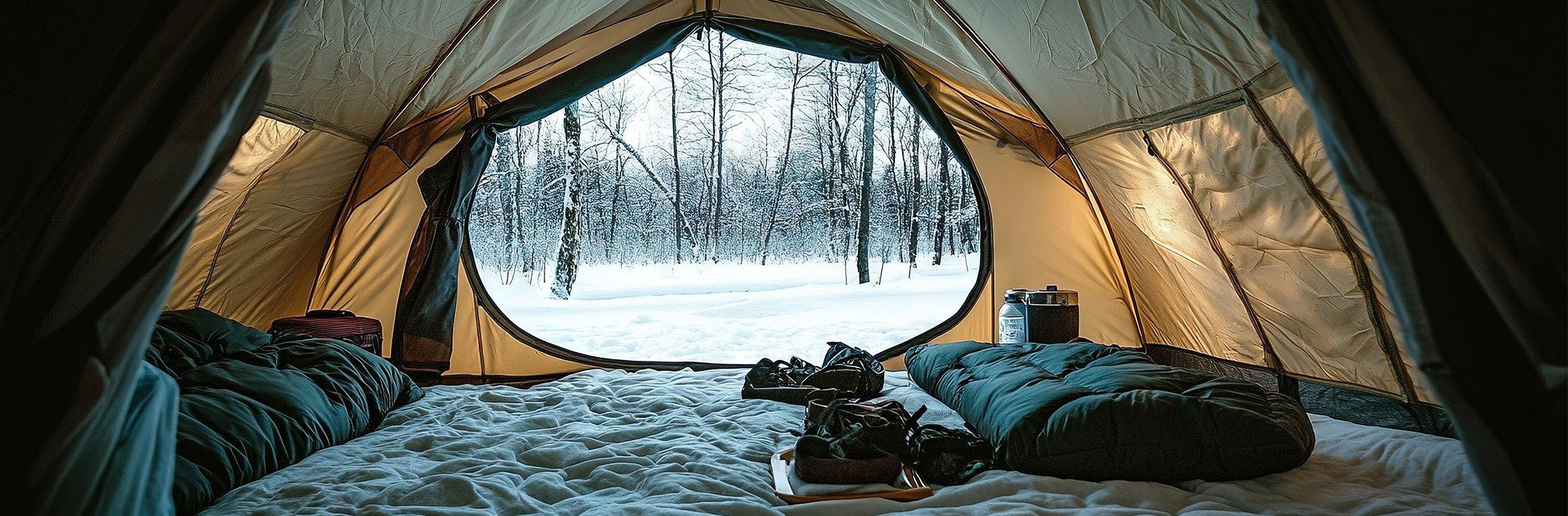
Layering Up for the Winter
-
Base layer
Opting for a waterproof tent will help you stay warm and safe during the harsh winter conditions. Opting for a tent with a Hydrostatic Head rating (HH) of 2000mm or higher will endure heavy rain and strong winds, but the groundsheet of the tent should be around 3000mm or higher because of the pressure of your belongings and yourself pressing down on the groundsheet
-
Mid layer
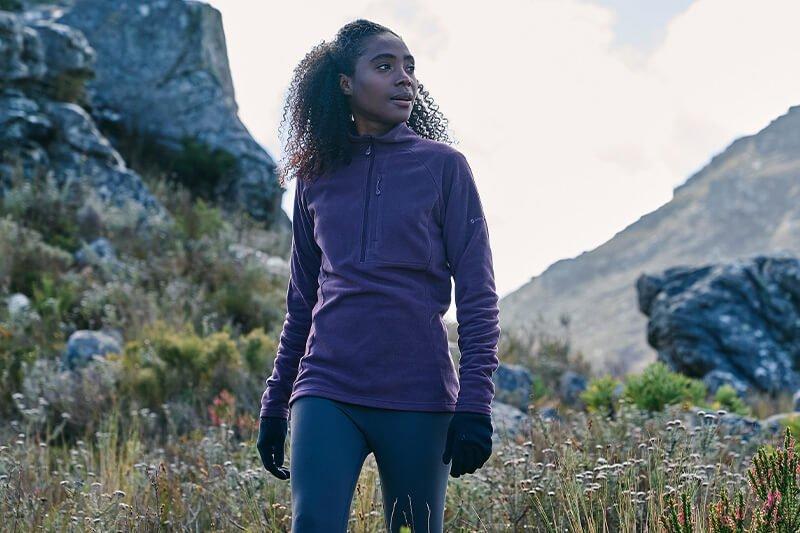
Also known as your insulating layer, mid-layers such as a fleece or down jacket can provide great additional warmth.
-
Outer layer
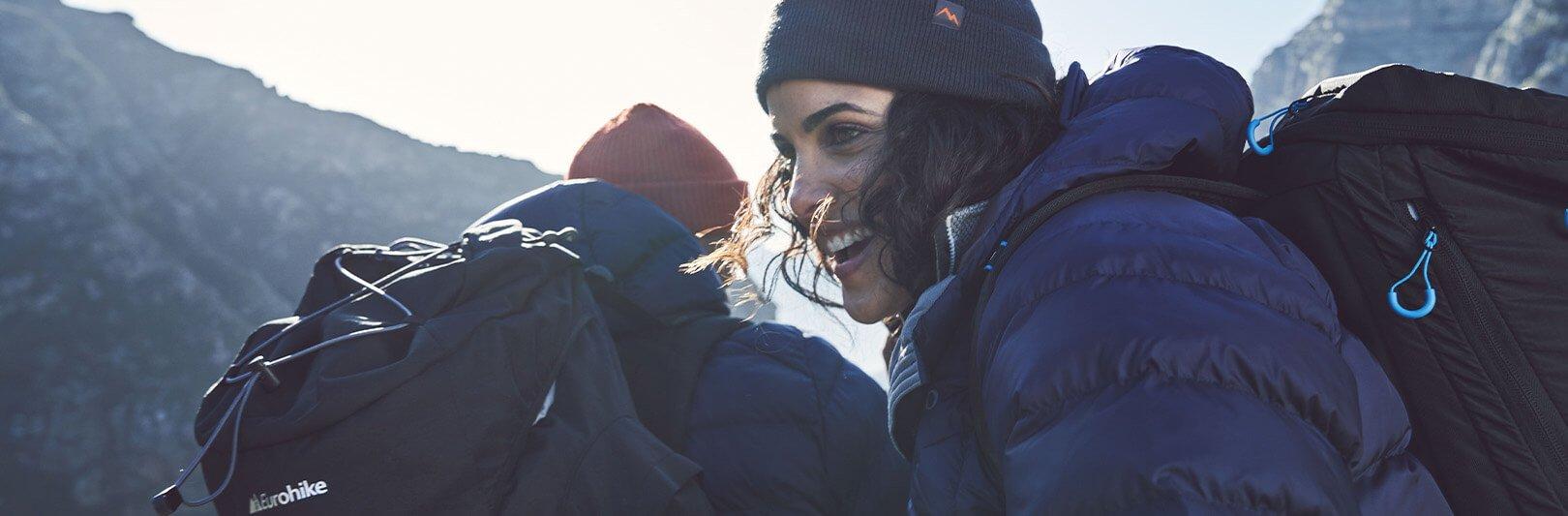
There to protect you from the harsh conditions of winter, you should be looking for a waterproof, windproof shell jacket and trousers to keep out the wind, snow and rain during winter. (change to ‘during’ or ‘during colder months’)
A waterproof rating of 10,000mm – 15,000mm will withstand most downpours and heavy snow, but long exposure to heavy downfall will eventually soak through. A rating of 20,000mm and up is ideal for those looking to be out all day in some of the harshest winter conditions.
-
Accessories
A warm hat, gloves, balaclava, neck gaiters and socks mustn’t be forgotten. Always remember an extra pair of socks, and it may even be worth investing in some waterproof socks if you’re going to be heading out in some of the harsher winter conditions
Footwear
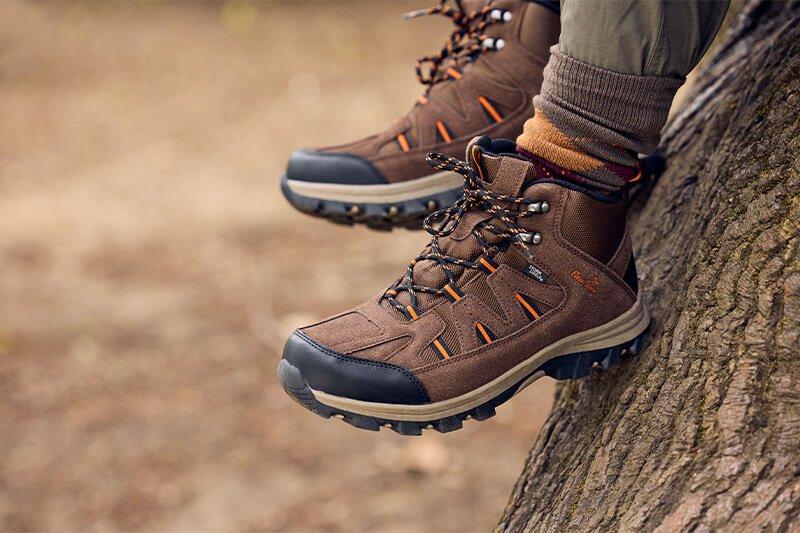
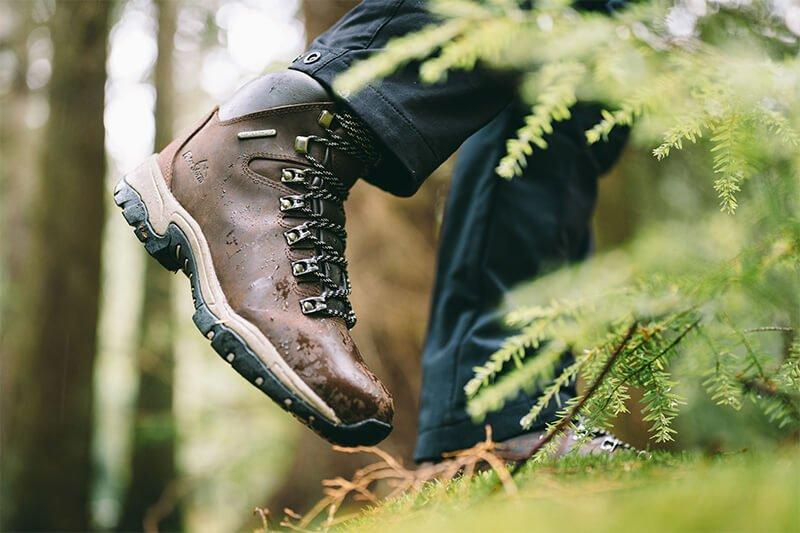
A good pair of hiking boots are essential during winter conditions to ensure warmth, stability and keep you safe while out on the trail. Some things to consider are: ‘
-
Lugs
This is the pattern you find on the bottom of your shoe which help you to grip the terrain, so deeper lugs of at least 4mm are better for snow and other challenging winter terrain.
-
Outsole
a sturdy rubber outsole will offer increased durability and protection.
-
Material & waterproofing:
A durable leather or synthetic boot will help keep your feet warm while out hiking. You’ll want to pick a shoe which is waterproofed, with GORE-TEX being a great option to ensure your feet stay dry.
-
Stability
A mid to high boot will provide greater stability when out on the trail, plus they are more likely to keep the snow out!
Cookwear
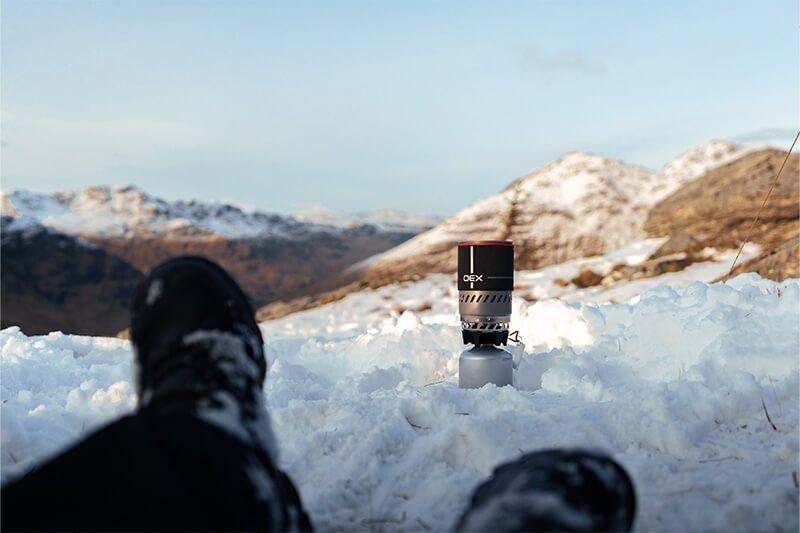
When out in the depths of winter, it’s likely you’re going to want to make yourself a hot drink or to heat up some food once you’ve set up camp to keep yourself warm. With that in mind, picking the right equipment is key to the optimal experience during winter months
-
Stove & Gas
During winter months, liquid gas stoves are preferable to your typical gas canister powered stoves, primarily due to their ability to regulate the fuel bottle’s pressure at low temperatures. However, a gas canister with a higher percentage of propane and isobutane are favourable, due to their superior winter performance, being known as “winter gas”.
-
A back up lighter (or two) or flint is also recommended, in the event your stove ignition does not work.
Safety Gear
-
Head Torch
two, one for use and one as a backup just in case.
-
Portable charger
A portable charger to keep your phone charged in case of an emergency.
-
Navigation tools
A map, compass, and GPS are great navigation tools during winter conditions as snow and bad weather can obscure the trail. Make sure you understand how to use your navigation tools prior to heading out on the trail.
-
First Aid Kit
a fully equipped first aid kit is essential during the harsh conditions of winter
-
Survival Blanket
a just in case, to keep you warm in an emergency
-
Shovel
this is catered towards snowy conditions, so that you can prepare the campsite.
Rucksack
-
A good rucksack is key. A size of 60+ litres should hold everything you need to bring if packed properly to go camping.
-
A rucksack liner and a rucksack waterproof cover are recommended to ensure your belongings remain dry in case of bad weather.
Additional
Hand and feet warmers are great to keep you warm and are great in an emergency where you are static, and likely to lose body heat.
Top Tips Preparing for Winter Camping
1. Research the Location
Research is vital to ensuring your winter camp is safe and fun. The last thing you want is to be heading out on your hike in the middle of a storm, with no idea where you’re going because you have no access to navigation due to no phone signal. Now this is a worst-case scenario, ensure that before you head out, you have done the following:
-
Checked the weather forecast for any extreme weather conditions so you can make a judgement call on whether to proceed with your trip (pro tip: if you are unsure, don’t go).
-
Have a mapped route before you go: using a map or an application such as OS Maps are great options for doing this. If you do decide to use an application on your phone, don’t forget to download the route before you go and bring a portable charger, so you aren’t left without navigation
-
Have a rough idea of where you are going to set up camp. Research of the area will help you find a good spot, but as a standard, camping above the highest fell wall is your best bet.
-
Tell people where you are going and when you plan to return, this is for your safety so that if you don’t return, someone can contact emergency services with your likely location.
2. Test Your Gear
Before you go, you should always test your gear. The last thing you want is to arrive at camp and your tent poles are broken, or your sleeping mat won’t inflate because of a puncture.
3. Pack Smart
During these winter conditions, it’s important to pack extra layers, an extra head torch and to double check your kit list before you go, as the last thing you want is to be missing an important bit of gear as you’re ready to settle down for the night.
Setting Up Camp for Wild Campers
How and where you set up camp is important to not only your safety, but to reduce the chances of being moved on. Here are some simple rules to follow for those who are new to wild camping:
-
Leave no trace
The number one rule when wild camping. This means…
-
Leave no litter and pick up any litter we do find on trail
-
Use a fire pit that keeps the fire off the ground where possible as an open fire can damage the soil. Shop Fire Pits.
-
Keep group sizes small to avoid disturbing wildlife.
-
Keep your stay in one location to reduce your footprint.
-
Arrive late and leave early: plan to arrive late to avoid disturbing others and leave early before walkers are likely to be out on the trail.
-
-
Food & Hydration
Now that you have all the gear to keep you warm, you’ll need to pack appropriate food to ensure you have enough energy to heat yourself and complete the hike. A high-calorie intake is important when spending time in low temperatures. Easy access, high calorie food such as protein bars, trail mixes and high-calorie drinks can be useful, but a hot meal and hot drinks at camp will help you stay warm at night. Options like camping meal pouches are extremely convenient during a winter camp. All you need to do is submerge them in boiling water, leave for a few minutes and you can enjoy a tasty meal in the comfort of your camp.
Around 3 litres of water is recommended per one night of camping, to ensure you have enough water to stay hydrated and to make hot drinks and heat food. You can also use a water filter if you are close to any streams, which will allow you to drink stream water without the risk of getting ill.
There you have it! This is everything you’re going to need to make the most of your winter camping adventure. If you’re interested in checking out some more of our expert guides, you can do so here:
EXPERT ADVICE HOMEPAGE


