
First Aid & Survival Checklist
First aid kits are designed to be used as a way of treating minor accidents. First Aid is not to be confused with serious healthcare, and is only to be used for minor treatments. First Aid is about stopping a flow of blood and stabilising an injury or condition until the person can receive proper medical attention.
For travelling in the Third World and Africa especially, a sterile set is essential so that use of potentially contaminated equipment can be avoided. Look for individually sealed items where possible. For specialist trips, such as canoeing and kayaking, or Arctic travel, a large and waterproof first aid kit is ideal, and a survival bag should be taken.
Shop First Aid & Survival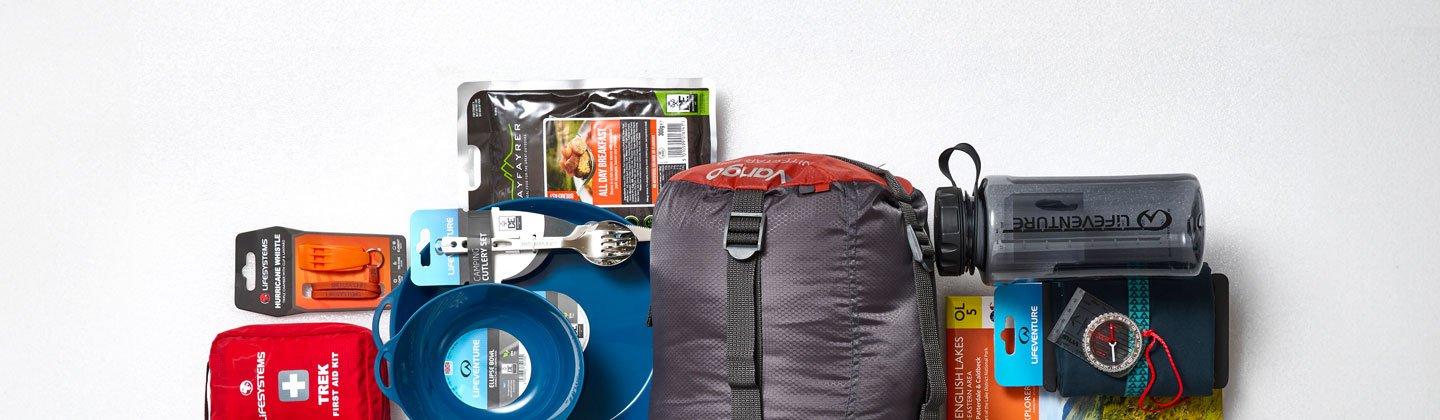
Survival bags are an essential item of emergency kit for mountain travel, especially in winter. A heavy duty plastic bivi bag can be used to provide emergency shelter.
This is a lightweight aluminium thermal bag reflects and retains 90% of body heat, provides better protection against wind-chill and is also waterproof.
Read the First Aid Checklist Below:
Care & Medicines:
Antiseptic wipes
Sterile gloves
Plasters
Gauze bandages
Safety pins
Sterile plasters
Water purifying tablets
Pain Relief
Anti-diarrhea Medication
Rehydrating salts/tablets
Eye Wash
Burn Gel/Cream
Insect Bite Relief
Prescription Medicine
Foil Blankets
Aftersun
Blister Pads
Sterile Kits:
Disposable syringes and needles Silk suture and needle.
Disposable Syringes
Disposable Needles
Silk Suture
Wound Closure Strips
Intravenous Drip Needle
Antiseptic Cleansing Tissues
Adhesive Dressings
Preventative Measures:
Sun Cream
Scissors
Compass
Whistle
Pen & Paper
String
Small Torch
Map
Needle & Thread
Misc:
Spare Clothes
Fire Starters
Spare Food/Energy Bars


