Buying Guide: Gilets and Body Warmers

Sometimes, the British weather doesn't really know what it wants to do.
Temperatures fluctuate up and down, making the decision whether wear a coat or not a recurring dilemma. One way of avoiding the okie-cokie of it all is to pick up a gilet. It's a versatile option that comes in handy all year round.If you're not sure, take a look through our guide and educate yourself on the subject of gilets and body warmers.
Shop Gilets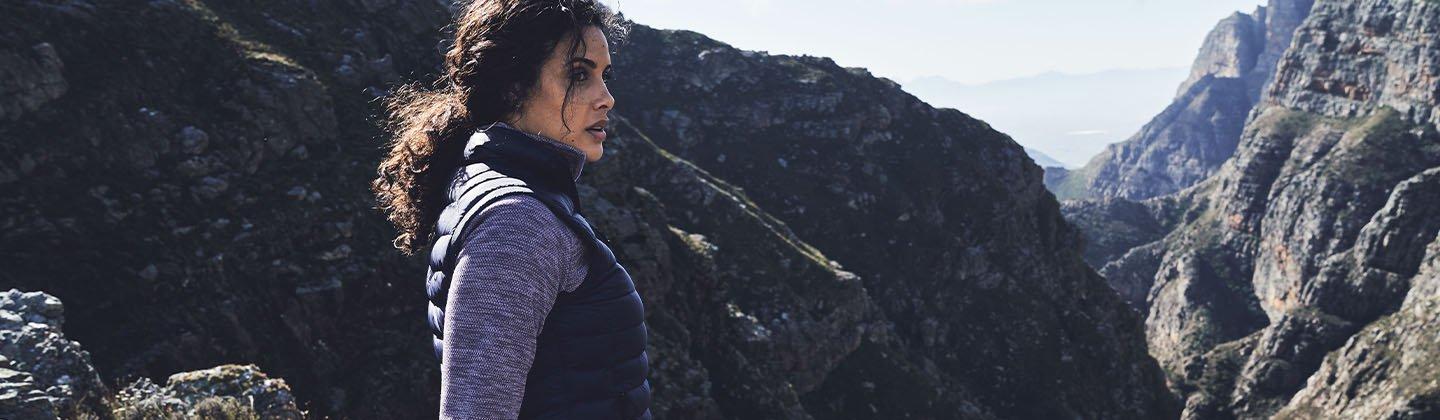
What is a Gilet?
Firstly, the pronunciation... "jee-lay". A gilet is essentially a sleeveless jacket designed to go over other layers, giving you extra insulation when it's chilly outside.
What's the difference between a Gilet and a Body Warmer?
Whether someone says 'Gilet' or 'body warmer', they're probably referring to the same thing. There really isn't any difference between the two, although you could say that Gilet's have a slim fit, whereas body warmers are slightly bulkier.
Types of Gilet
Fleece
Much like a standard mid-layer fleece, this sleeveless version is designed to fit under your jacket as an extra layer of warmth. It can be worn as an outer layer too and pairs well with a checked shirt or blouse if you're want to go casual. To make layering even easier, some manufacturers include an interactive zip that makes it possible to securely attach your gilet to a range of compatible jackets.
Quilted
Quilted gilets have padding similar to what you'd find in a sleeping bag or down jacket. This does a great job of trapping warm air and insulated the body on a cold day. They tend to be quite thick so are generally used as an outer layer, but you can certainly try and squeeze one under your jacket if you want to be extra cosy. You may have a choice between a synthetic and natural down fill; the later tends to be more expensive but offers superior insulation.
Technical
A technical gilet is likely to have far less padding and the design will be focused on specific activities such as travel, shooting or fishing. The pockets often have specific purposes (e.g. cartridge pocket) and will be located accordingly.

When should I wear a Gilet?
Gilets are suitable for most occasions where you need a little extra warmth and will combine well with most of your wardrobe too. However, the main selling point of a gilet is the fact it has no arms. Weird, right?
Well, not at all really. Going sleeveless is a great way of achieving the type of mobility you just wouldn’t get from a long sleeve jacket. Arm movement is integral to numerous activities, so it makes sense to give them the room to move.

Recommended Use:
-
Casual Wear: Complements a variety of casual clothing.
-
Underneath a Coat: Extra layer of insulation.
-
Walking, Hiking & Camping: Versatile, lightweight and portable.
-
Climbing and Hunting Sports - unrestricted arm movement.
What should I wear with a gilet?
A gilet allows you to adapt your look in countless ways. Pair it with the following depending on how chilly it is outside...
-
– Shirts and polos
-
– Long and short sleeve t-shirts
-
– Fleece mid-layers
-
– Sweatshirts, jumpers and hoodies
You can even wear your gilet as an insulating mid-layer, pop it on underneath your jacket to combat the cold.
How should a gilet fit?
You ideally want to achieve a slim fit, much like you would with a waistcoat. By keeping you Gilet tight to your body, you'll be able to prevent heat escaping out through the gaps. A snug fit also makes it possible to wear a coat over the top. If you're planning to wear hoodies or sweatshirts underneath, we recommend selecting a looser fitting Gilet to accommodate them.
Kids' Gilets
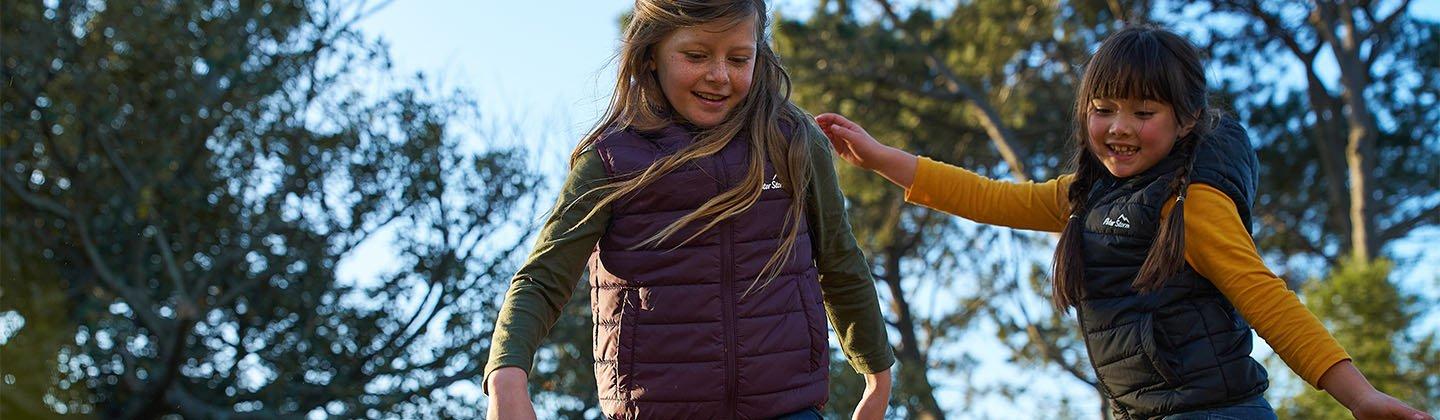
What about the kids? Gilets are ideal for children because they're lightweight, hardwearing and easy to pack. Also, as any parent will testify, getting a jacket on and off a small child can be a real challenge – a sleeveless alternative is a godsend!
Find top quality gilets at fantastic prices on the GO Outdoors website.
Shop GiletsNashath Abdul Khader
Author & Outdoor Enthusiast Passionate about technology, AI, and the outdoors, Nashath has keen interest in exploring how emerging innovations can enhance everyday outdoor experiences and adventures.