Can Camping Help Your Mental Health?

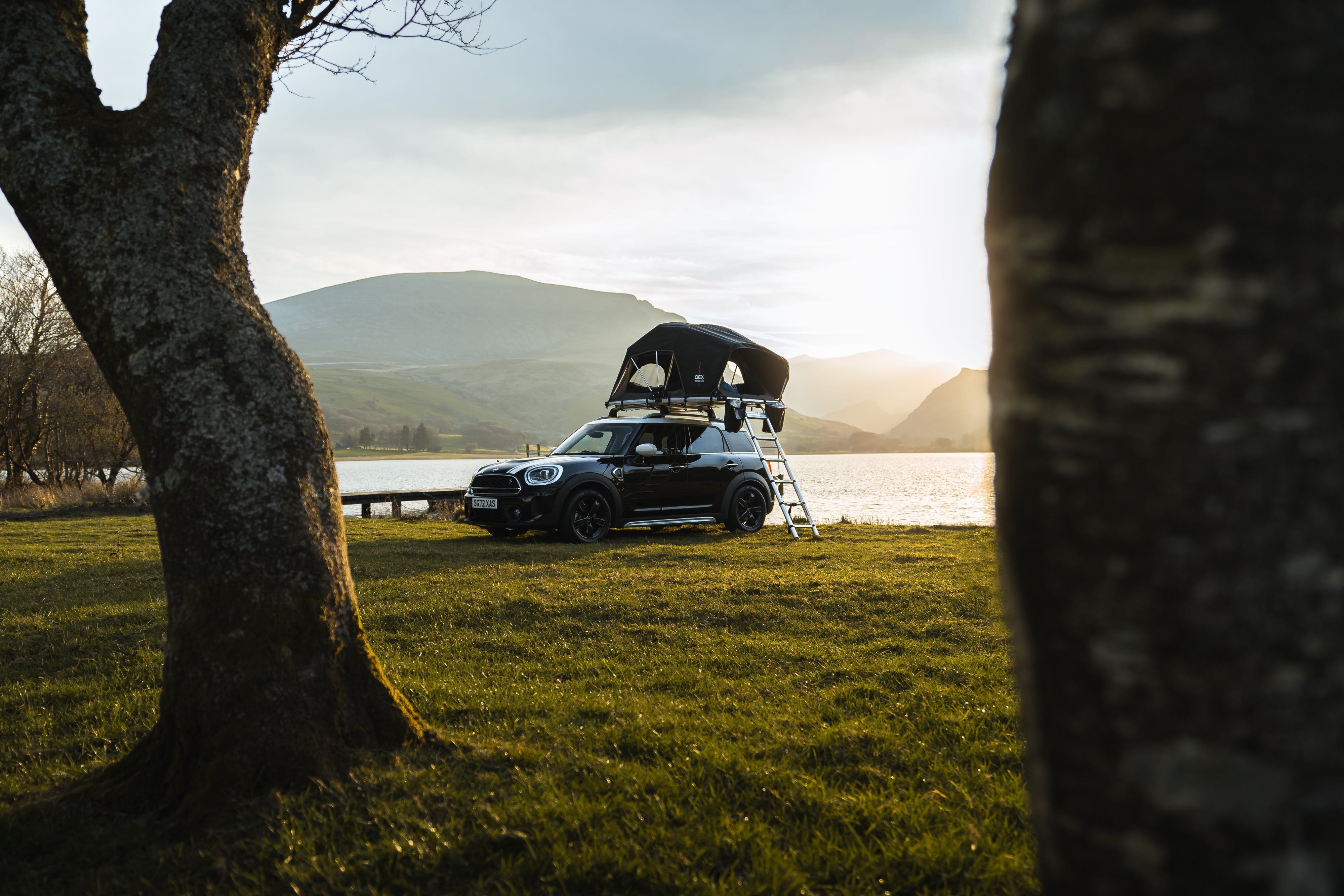
Photo by Guillaume Gouin on Unsplash
By GO Outdoors | Supporting Mental Health Awareness Week 2026 (11–17 May)
At GO Outdoors, we believe the great outdoors offers more than adventure and fresh air; it provides meaningful support for mental well-being. As Mental Health Awareness Week 2026 takes place from 11–17 May, it’s the perfect time to explore how camping, nature, and outdoor experiences can positively impact mental health.
From reducing everyday stress to improving sleep, focus, and mood, time spent outdoors continues to prove its value for both mind and body. Below, we look at how camping supports mental wellbeing and why stepping outside, even briefly, can make a real difference.
Frequently Asked Questions (FAQs)
Does camping really help mental health?
Yes. Camping combines natural environments, physical activity, digital detox, and fresh air, all proven to support mental well-being.
Why is nature good for your mind?
Natural settings reduce stress hormones, support relaxation, and help the brain recover from overload.
Can camping reduce anxiety and stress?
Camping removes everyday pressures and encourages slower, calmer living, which can help reduce anxiety.
Does camping improve mood?
Yes. Exposure to daylight, movement, and shared outdoor experiences can improve mood and emotional balance.
Is camping good during Mental Health Awareness Week?
Absolutely. Mental Health Awareness Week encourages conversation and action — spending time outdoors is a simple, accessible step many people can take.
Does camping help you sleep better?
Natural light, physical activity, and reduced screen time support healthier sleep cycles.
What is ‘outjoyment’?
Outjoyment is the emotional uplift and enjoyment gained from outdoor experiences, closely linked to wellbeing.
Is solo or group camping better for mental health?
Both have benefits. Solo camping supports reflection, while group trips build connection and belonging.
Mental Health Awareness Week 2026: Why It Matters
Mental Health Awareness Week 2026 runs from 11–17 May, shining a spotlight on the importance of looking after our mental wellbeing and encouraging open conversations around mental health.
At GO Outdoors, we see outdoor access as a powerful wellbeing tool. Mental health isn’t just about managing challenges, it’s also about prevention, balance, and giving your mind space to reset. Camping and outdoor activities offer exactly that.
This week is about awareness, but also action. Getting outdoors, even for a short trip, is a positive step many people can take to support their mental health.
Why Camping Supports Mental Well-being
Modern life is fast‑paced, screen‑heavy, and mentally demanding. Camping offers a necessary contrast. By stepping outside daily routines and immersing yourself in nature, the mind gets a chance to slow down and recover.
Natural environments are less stimulating than urban settings, giving the brain time to rest. This helps reduce mental fatigue, improve focus, and restore emotional balance.
At GO Outdoors, we believe camping is one of the most accessible ways to reconnect with nature, whether that’s a family campsite break, a festival camping trip, or a quiet solo escape.

Photo by on Unsplash
Reducing Stress and Anxiety Outdoors
One of the most widely reported benefits of camping is stress reduction. Open spaces, natural sounds, and fresh air encourage deep breathing and relaxation.
Camping removes many daily stressors, notifications, deadlines, traffic, and screens, allowing the nervous system to shift out of constant alert mode. Even simple activities like walking around a campsite or sitting by a campfire can have a grounding, calming effect.
For people experiencing ongoing stress, these moments of calm are essential during Mental Health Awareness Week and beyond.
Boosting Mood Through Outdoor Living
Spending time outdoors is strongly associated with improved mood. Daylight triggers serotonin production, while physical movement releases endorphins, both important for emotional well-being.
Camping also encourages small, achievable wins: pitching a tent, cooking outdoors, or completing a walk. These moments build confidence and positive emotions that carry over into daily life.
At GO Outdoors, we see outdoor enjoyment, or “outjoyment”, as a key contributor to mental wellbeing.
Digital Detox and Mental Clarity
Camping naturally reduces screen time. Stepping away from emails, social media, and constant updates gives the mind space to rest.
Digital overload is a growing contributor to anxiety and burnout. Camping offers a built‑in digital detox, improving concentration, creativity, and mental clarity.
Many people return from camping trips feeling calmer, more focused, and mentally refreshed, even after just a short break.
Better Sleep and Healthier Routines
Mental health and sleep are closely linked. Camping helps restore natural body rhythms by aligning the day with sunlight and darkness.
Waking with daylight, being physically active, and reducing artificial light exposure often lead to deeper, more restful sleep. Good sleep supports mood regulation, resilience, and overall mental health.
For those struggling with disrupted sleep, camping can help reset unhealthy patterns.
Building Confidence and Resilience
Camping encourages problem‑solving, adaptability, and independence. Learning outdoor skills, from setting up camp to navigating trails, helps to build confidence and self‑belief.
Overcoming small challenges in nature strengthens mental resilience. These skills translate into everyday life, making stress and setbacks easier to manage.
Whether you’re new to camping or experienced, every outdoor trip supports personal growth.
Connection, Community, and Belonging
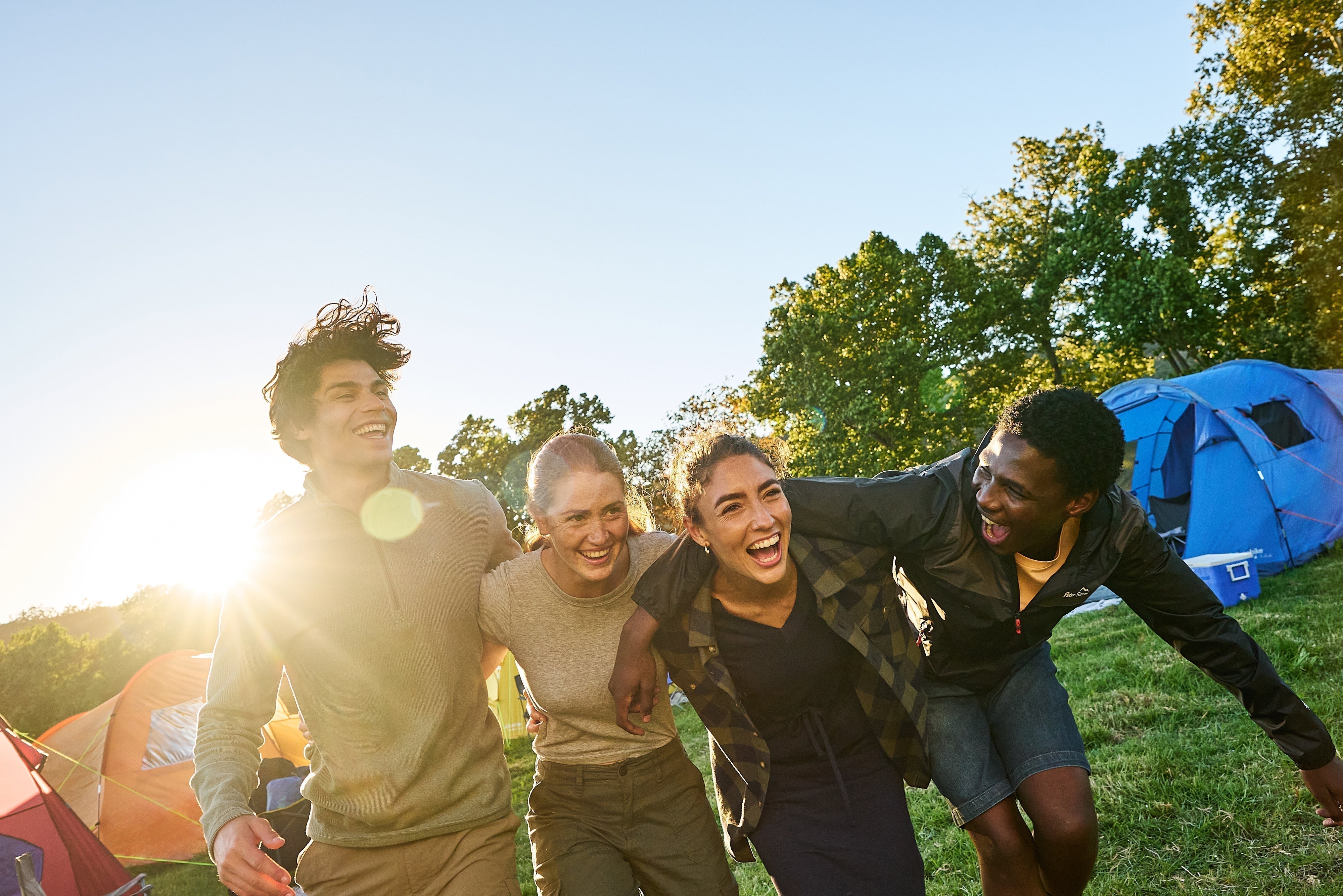
Mental well-being is closely tied to connection. Camping creates opportunities for meaningful social interaction without everyday distractions.
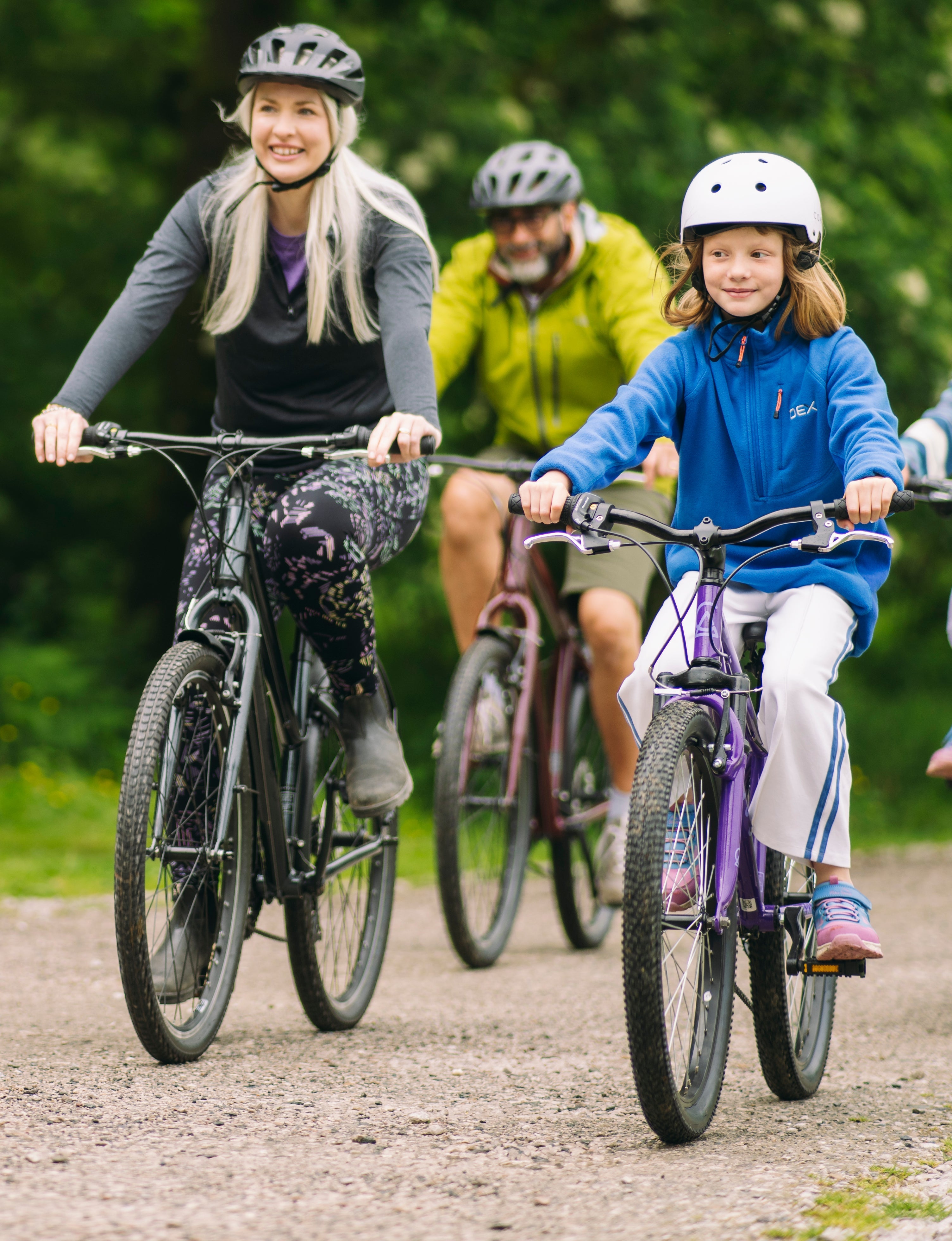
Shared meals, walks, and campfire conversations encourage openness and bonding. For families, camping supports confidence in children, stronger relationships, and reduced screen dependence.
During Mental Health Awareness Week, connection is a key theme, and the outdoors is one of the best places to foster it.
GO Outdoors: Supporting Mental Health Through Nature
At GO Outdoors, we’re passionate about helping people experience the positive impact of the outdoors on mental health. Access to the right kit can make outdoor experiences more comfortable, inclusive, and enjoyable.
From tents and sleeping bags to camping furniture, clothing, and footwear, the right equipment helps remove barriers so more people can benefit from time outside.
This Mental Health Awareness Week, we encourage everyone to take a moment to step outdoors, whether it’s a full camping trip or a simple night under the stars.
Camping and the great outdoors offer a powerful, natural way to support mental wellbeing. By reducing stress, boosting mood, improving sleep, and encouraging connection, outdoor experiences provide benefits that extend far beyond the campsite.
As Mental Health Awareness Week 2026 (11–17 May) reminds us, mental health matters every day, and sometimes the simplest step forward is stepping outside.
At GO Outdoors, we’re here to help you do just that.
To find more detailed information we recommend the following sources: -
shu.ac.uk/news/all-articles/latest-news/outjoyment-camping-report
priorygroup.com/self-care/nature-and-mental-health
pmc.ncbi.nlm.nih.gov/articles/PMC4204431/