Buying Guide: Waterproof Jackets
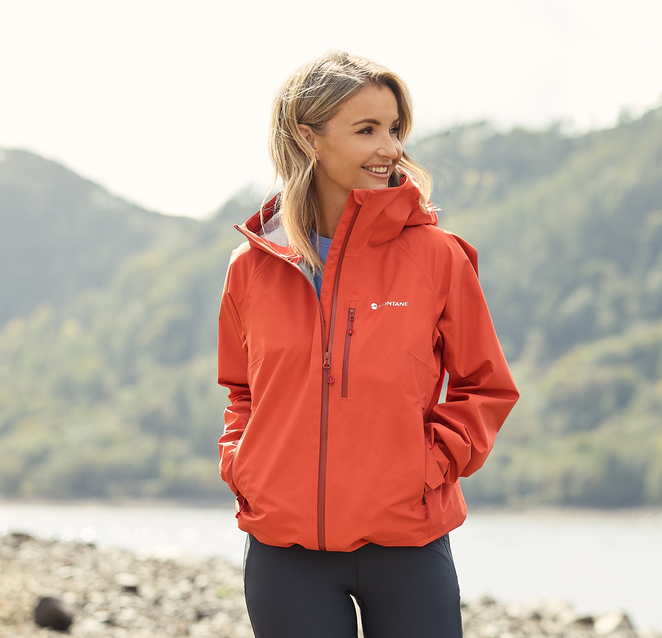
The UK is famous for its unpredictable weather. It doesn’t matter what time of year it is, the next downpour will never be far away. Whether you’re popping to the shops, walking the dog, or heading out for a run, a reliable raincoat is a must.
There’s a variety of brands, fabrics and technology available, so buying a new waterproof jacket can certainly get tricky. Don’t worry though, this guide will improve your knowledge and help you choose a jacket that ticks all the right boxes. We’ve answered some key questions below.
What’s the difference between water-resistant and waterproof?
A water-resistant jacket is designed to protect against light showers only and will use fabrics that aren’t really designed to withstand persistent rain, sleet or snow. The best way to stay completely dry is to opt for waterproof technology, which will help keep the rain out, allowing it to bead off the jacket.
How do waterproof jackets work?
All waterproof jackets are designed primarily to keep you dry, but breathability is an important factor too. This is where technology comes into the mix.
It’s worth taking the time to understand the difference between the three main types of waterproof fabric technology (membrane, coated and laminate), as breathability will vary based on the materials used.
Membrane
Waterproofing technology is often added to the membrane in the fabric to make the garment waterproof. The fabrics are specifically designed with microscopic pores across the surface. These tiny holes are small enough to block out water molecules, but large enough to allow vapours to escape. The result is a waterproof, breathable jacket that keeps you dry, cool and comfortable.
The technology involved does mean that jackets with a waterproof membrane are more expensive than coated alternatives. However, if you plan on getting active outdoors, it’s definitely worth paying extra for the additional comfort.
You may notice that there are two types of membrane waterproof, 2-layer and 3-layer. The only real difference between them is that 3-layer jackets have an additional layer that protects the membrane itself from being damaged by oil and dirt.
GORE-TEX is the arguably the most recognisable name in waterproof membrane technology, but you may have also come across Polartec Neoshell, Pertex Shield, DryVent, AquaDry, FutureLight, Rain Rdy, Petrichor, Proflex, Hydroshell and eVent (to name a few). They all do the same thing.
PU Laminate
PU laminate is like PU coated, except the polyurethane layer isn’t painted on. Instead, a laminated sheet is attached to the inside layer of the jacket. It makes for a more breathable jacket, which is why they tend to be more expensive.
Most manufacturers coat the outside of their jackets with a Durable Water Repellent (DWR) in addition to the waterproof technology. This isn’t what makes the jacket waterproof, it is applied to the surface of the fabric to add further protection from rain, sleet and snow.
What type of waterproof jacket do I need?
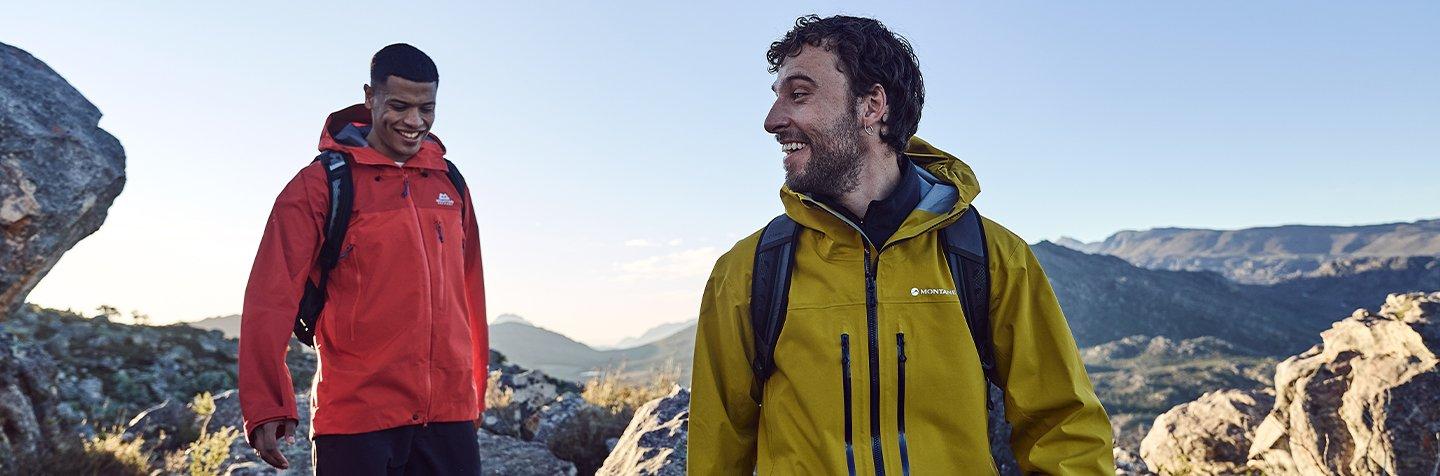
Waterproof jackets are often designed to match a specific use. For example, there are lightweight jackets for vigorous exercise such as running and cycling, and thicker, more robust jackets for activities such as hiking and skiing. If you want a versatile coat for everyday use, there are plenty of options in that bracket too.

Waterproof Shell
Modern waterproof jackets come in a wide range of styles from super-light packable shells to insulated all-weather protection. Browse options for everything from the school run to a hillside hike or winter mountaineering.
Shop All Waterproof Shell Jackets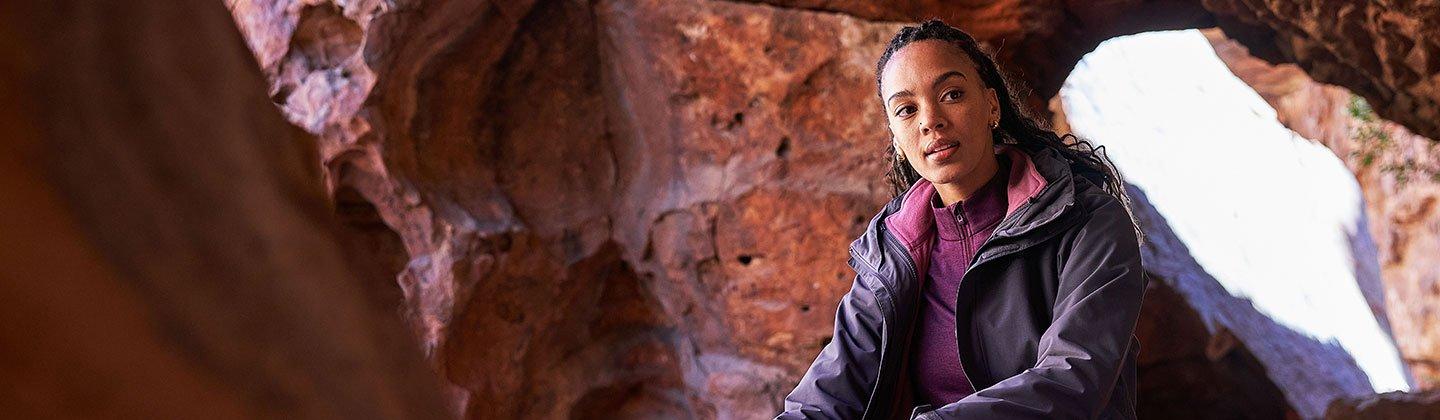
3-in-1 Jackets
Changeable weather is the norm here in the UK, so being able to adapt your clothing to match the conditions is ideal. 3-in-1 jackets have a waterproof outer shell and detachable fleece, giving you the ability to change the way you wear it.
-
Waterproof outer layer – much like a waterproof shell jacket, this lightweight outer layer will protect you from the wind and rain, while keeping you cool and comfortable.
-
Fleece mid-layer – perfect for keeping you sheltered from the chilly breeze on dry days.
-
Waterproof and fleece combo – the fleece zips neatly into the waterproof outer layer to give you added warmth when it’s both cold and wet outside.
3-in-1 jackets are sometimes known as ‘interactive’ or ‘IA’ jackets. The term ‘interactive’ simply refers to the zipping mechanisms that are used to combine compatible jackets and fleeces. Some brands will have their own range of interactive jackets and mid-layers that use a unique zip system.
Shop All 3-in-1 Jackets
Parka
A familiar sight around the UK during autumn and winter, the parka is a long-length coat with arctic origins. Parka jackets offer cosy insulation that will help fight off the cold. The faux-fur trimmed hoods are a great way to keep the heat in too. Some parka jackets will also be waterproof, but ensure you check this before making the purchase.
Shop All Parka Jackets
Kids' Waterproof Jackets
Kids can stay dry too with their very own miniature-sized waterproof or parka. They work just as well as the adult versions, so they’ll be free to explore the outdoors come rain or shine.
Shop All Kids' Waterproof JacketsWhat features should I look for?
Seemingly minor design features can provide significant boosts to comfort and convenience. Here’s what to look out for when browsing our range of waterproof jackets.
Hood
Hoods will provide extra protection from the rain. In cold conditions, you lose most of your body heat through your head, and a well-fitted hood can help lock that warmth in. The size and fit of the hood can be adjusted on most jackets to ensure it covers your head and moves with it, without restricting your view.
Jackets designed for climbing and mountaineering will normally have a larger hood to accommodate a helmet underneath. Some hooded coats feature detachable hoods that can be stored within the collar.
Zips
The importance of a solid, reliable zip is often overlooked. The best quality zippers run up and down smoothly and are covered with storm flaps to prevent water damaging the mechanism. Waterproof zip systems are also something to look out for which can add extra protection in the event of a heavy downpour.
Interactive zip systems allow you to attach compatible mid-layers to your jacket.
Pockets
The intended use of your jacket will usually dictate the number and location of pockets. Some hiking jackets feature chest or interior pockets that are designed specifically to house OS maps and compasses.
Zip pockets should have storm flaps covering them to ensure the contents stay dry.
Drawcords
Everybody is different, and drawcords are ideal for adjusting a jacket to suit your own unique shape. Located at the waist, hood or hem, these elasticated cords can be pulled tighter to achieve a snug fit.
Dropped Hem
Often the defining feature of parka jackets, a dropped hem provides extra rain protection at the rear.
Cuffs
Elasticated, or adjustable Velcro cuffs are an effective way to keep draughts out and heat in.
Vented Pits
A common feature on active waterproof jackets, these underarm vents can be opened to allow more air to circulate if you get too warm.
How do I find a waterproof jacket that fits?
You wear your coat quite a lot, so it’s important that you feel comfortable in it. Jackets come in various shapes and sizes, so what should you consider?
Body Shape
A general rule is that your lower back should remain covered when you lift your arms above your head. Cuffs should cover your wrists at full stretch too. Most jackets will have some form of adjustment at the hem, hood or cuff, so play around with this until you achieve a fit tailored to you. If you plan on wearing layers underneath your jacket, it might be worth going up one size to leave space.
Relaxed Fit
Most waterproof jackets will have a relaxed fit as standard and feature a fairly low hem for extra protection. If you’re thinking of choosing a relaxed fit waterproof jacket, we suggest that you check out the hood to see how well it adjusts to fit around your face.
Active Fit
Active fit jackets give you the perfect amount of room to move. They’re neither tight nor baggy and you should be able to squeeze a mid-layer underneath as well. Be on the lookout for peaked hoods with plenty of adjustment, they’ll provide the best face protection.
Technical Fit
Jackets in this category will also allow the body to move freely, but will normally have a slender fit, making them better suited to climbing and mountaineering. They’re also shorter in length, with pockets located higher up to give you access when you’re all harnessed up. The hood section is likely to be larger so that it can be pulled over the top of a helmet if required.
Women's
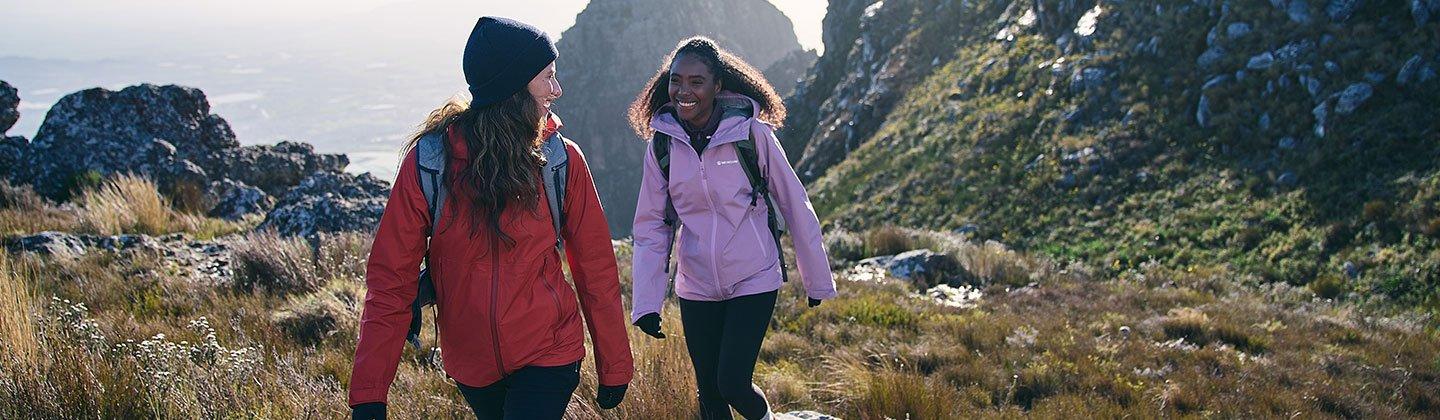
Women’s waterproof jackets are designed specifically for the female form and will have a different cut to the equivalent men’s coat. They tend to be narrower around the middle and across the shoulders, but wider at the bottom. The sleeves are usually shorter too.
How do I clean and protect my waterproof jacket?
Take care of your jacket, and it will take care of you.
It’s easier than you think. Regularly treating your jacket with waterproof sprays and cleaners will allow it to continue repelling rain, sleet and snow. It’s also a good idea to remove surface dirt whenever you can to prolong the life of your coat.
For more info on caring for your coat, take a look at our handy guide.
Learn MoreBrowse our fantastic range of waterproof jackets today and find the right one for you.
Shop Men's Waterproofs Shop Women's Waterproofs Shop Kids' Waterproofs Shop All Waterproof JacketsNashath Abdul Khader
Author & Outdoor Enthusiast Passionate about technology, AI, and the outdoors, Nashath has keen interest in exploring how emerging innovations can enhance everyday outdoor experiences and adventures.